
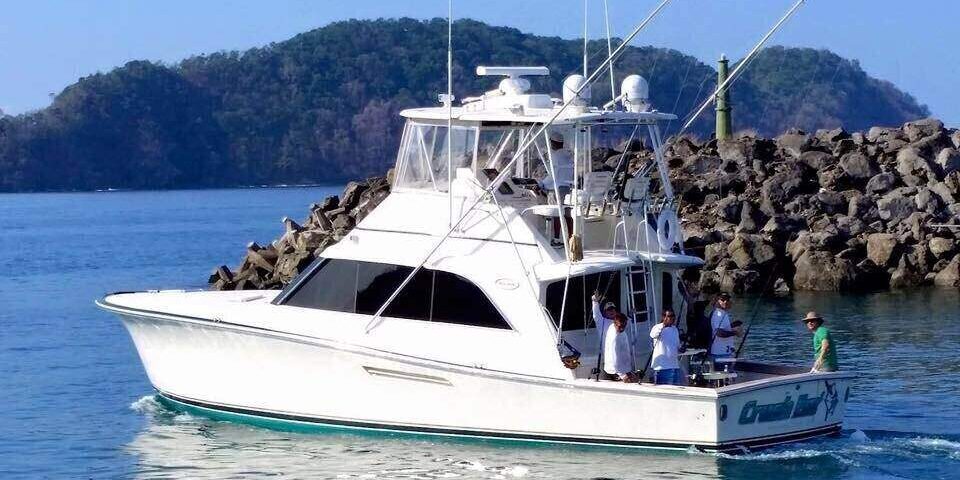
Blue Marlin Fishing at Costa Rica FADs
Blue Marlin Fishing at Costa Rica FADs
For serious offshore anglers, few fishing experiences compare to targeting giant blue marlin around Costa Rica’s offshore Fish Aggregating Devices (FADs). Located far beyond the continental shelf in deep Pacific waters, these floating structures attract enormous concentrations of baitfish, creating ideal feeding grounds for one of the ocean’s most powerful game fish.
Every year, anglers from around the world travel to Costa Rica specifically to experience this unique style of offshore fishing. Unlike traditional day trips that stay closer to shore, Costa Rica FAD fishing charters venture hundreds of miles into the Pacific, where blue marlin, yellowfin tuna, dorado, and other pelagic species gather around offshore FADs and nearby seamounts.
Whether departing from Quepos or Los Sueños, these multi-day expeditions offer some of the most exciting blue marlin fishing found anywhere in the Eastern Tropical Pacific.
What Makes Costa Rica’s FADs So Special?
Fish Aggregating Devices are floating structures strategically positioned in deep offshore waters. While they may appear simple on the surface, they create entire ecosystems beneath the water.
Small baitfish seek shelter around the structure, which attracts larger predators. Those predators, in turn, attract apex species like blue marlin. Over time, each FAD becomes a highly productive feeding zone that consistently holds life.
For anglers, this means fewer hours searching open water and more time fishing productive areas.
One of the biggest advantages of Costa Rica FAD fishing charters is that captains can rotate between multiple offshore FADs during a trip, maximizing opportunities to locate active fish.
Why Blue Marlin Love Offshore FADs
Blue marlin are highly migratory predators that constantly search for concentrations of bait. Offshore FADs provide exactly what they need: abundant food and structure in otherwise featureless open ocean.
Around Costa Rica’s offshore FADs, blue marlin often feed on:
- Flying fish
- Skipjack tuna
- Bonito
- Small yellowfin tuna
- Rainbow runners
- Mackerel
- Squid
With a dependable food source available throughout much of the year, these areas regularly attract trophy-class blue marlin.
Many experienced captains consider the offshore FADs among the most reliable locations for targeting giant marlin in Costa Rican waters.
The Difference Between Traditional Offshore Fishing and FAD Fishing
Many visitors assume offshore fishing and FAD fishing are the same, but they differ significantly.
Traditional offshore trips usually troll along current edges, temperature breaks, floating debris, or areas where birds are actively feeding.
In contrast, Costa Rica FAD fishing charters are destination-based expeditions. Boats travel directly toward offshore FADs and nearby seamounts where pelagic fish naturally congregate.
This targeted approach often increases encounters with large blue marlin and other highly migratory species.
Why Multi-Day Trips Produce Better Results
Because Costa Rica’s offshore FADs are located far from the mainland, reaching them requires extended travel.
Rather than spending valuable fishing hours commuting each day, anglers typically book multi-day adventures.
These trips allow boats to:
- Fish several different FADs
- Explore multiple seamounts
- Adjust to changing ocean conditions
- Remain in productive offshore waters overnight
- Maximize fishing time during peak feeding periods
This additional time significantly improves the chances of connecting with trophy blue marlin.
Costa Rica Seamount Fishing Trips
In addition to offshore FADs, many captains also incorporate Costa Rica seamount fishing trips into their itineraries.
Seamounts are underwater mountains that rise from the deep ocean floor without reaching the surface.
These formations disrupt ocean currents, creating nutrient-rich environments that attract baitfish and larger predators.
Fishing both offshore FADs and seamounts during the same expedition provides anglers with multiple opportunities to encounter active blue marlin.
Many captains alternate between the two depending on water temperature, current direction, and recent fishing reports.
The Journey Offshore
One of the most exciting aspects of these expeditions is simply reaching the fishing grounds.
As the coastline disappears behind the boat, anglers enter a completely different environment where the Pacific Ocean stretches to every horizon.
The water becomes noticeably deeper, often exceeding several thousand feet beneath the boat.
Once offshore, signs of life begin to appear:
- Flying fish gliding above the waves
- Pods of dolphins
- Frigate birds
- Shearwaters
- Sea turtles
- Schools of tuna
- Oceanic baitfish
Eventually, the boat reaches the first offshore FAD, where anticipation builds with every lure entering the water.
Blue Marlin Trolling Techniques
Success around offshore FADs depends on presenting lures naturally while covering productive water.
Captains typically troll a spread that may include:
- Large skirted trolling lures
- Artificial teasers
- Dredges
- Daisy chains
- Natural baits when conditions warrant
The trolling pattern is constantly adjusted based on:
- Water clarity
- Current speed
- Wind direction
- Bird activity
- Sonar readings
- Recent marlin sightings
Experienced crews continuously fine-tune the spread throughout the day.
When a Blue Marlin Strikes
Few moments in sportfishing compare to watching a blue marlin explode on a trolling lure.
The strike often begins with an enormous splash behind the boat.
Seconds later, the reel erupts as hundreds of yards of line disappear.
After the hook is set, the battle begins.
Blue marlin are famous for:
- Powerful runs
- High-speed direction changes
- Spectacular jumps
- Incredible endurance
Landing one requires teamwork between the captain, mates, and angler.
Seasonal Opportunities
Blue marlin can be encountered throughout much of the year, but ocean conditions influence fishing success.
Factors include:
- Water temperature
- Bait concentrations
- Ocean currents
- Weather patterns
- Productivity around individual FADs
Because offshore conditions constantly change, experienced captains monitor recent reports before deciding which offshore structures to fish.
Many anglers begin their expedition aboard Quepos FAD fishing charters.
Quepos has earned an international reputation for offshore sportfishing thanks to its experienced crews, modern fleet, and direct access to the Pacific.
Although offshore FAD expeditions involve long-distance travel, Quepos serves as one of the primary departure points for these specialized adventures.
Many captains operating from Quepos have years of experience targeting blue marlin around offshore structures and seamounts.
Los Sueños FAD Fishing Charters
Another popular starting point is Los Sueños FAD fishing charters.
Located farther north along Costa Rica’s Central Pacific coast, Los Sueños offers a world-class marina with numerous sportfishing vessels capable of extended offshore expeditions.
These boats frequently target both offshore FADs and productive seamounts depending on current fishing conditions.
The marina’s excellent facilities and highly experienced crews make it a favorite among international anglers pursuing trophy blue marlin.
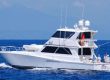
Boats Designed for Offshore Expeditions
Not every fishing boat is suitable for multi-day offshore adventures.
Most Costa Rica FAD fishing charters utilize larger sportfishing yachts equipped for extended trips.
Common features include:
- Spacious cabins
- Air-conditioned interiors
- Comfortable sleeping accommodations
- Full kitchens
- Modern navigation systems
- Advanced fish-finding electronics
- Tuna tubes
- Large bait wells
- Fighting chairs or stand-up gear
These vessels are specifically designed to provide comfort and safety during long offshore journeys.
Other Species Found Around Offshore FADs
Although blue marlin are often the primary target, anglers frequently encounter other exciting species.
Common catches include:
- Yellowfin tuna
- Dorado (mahi-mahi)
- Sailfish
- Bigeye tuna
- Wahoo
- Rainbow runner
This variety makes every day offshore unpredictable and exciting.
Conservation Matters
Costa Rica has earned worldwide respect for promoting responsible billfish fishing.
Most blue marlin are released after capture.
Catch-and-release practices help maintain healthy fish populations while allowing future anglers to enjoy the same incredible experience.
Modern techniques include:
- Circle hooks when using natural bait
- Careful fish handling
- Minimal fight time
- Healthy releases
- Accurate record keeping
These conservation efforts contribute to Costa Rica’s reputation as one of the world’s premier marlin fisheries.
Preparing for a Multi-Day FAD Trip
Proper preparation can make your expedition more comfortable and enjoyable.
Experienced anglers typically bring:
- Lightweight fishing clothing
- Sun-protective shirts
- Polarized sunglasses
- Wide-brim hat
- Sunscreen
- Motion sickness medication if needed
- Camera
- Extra batteries
- Personal medications
- Soft-soled deck shoes
Many charter boats provide all rods, reels, tackle, bait, meals, and beverages, allowing anglers to focus entirely on fishing.
Why Experience Matters
Fishing around offshore FADs requires a different skill set than traditional coastal trolling.
Captains must understand:
- Offshore weather patterns
- Ocean currents
- Water temperature changes
- Bird behavior
- Bait movement
- Marlin migration
- FAD productivity
- Seamount structure
Years of offshore experience often make a significant difference when targeting trophy blue marlin.
Why Anglers Return Year After Year
Many visitors who experience Costa Rica seamount fishing trips and offshore FAD expeditions return for another adventure.
Every trip offers something different. Ocean conditions evolve daily, bait movements shift, and each FAD can hold varying concentrations of life. Even seasoned anglers never know when the next strike could come from the largest blue marlin of their lifetime.
The combination of remote offshore scenery, advanced sportfishing techniques, and the possibility of encountering multiple pelagic species keeps these expeditions exciting year after year.
Frequently Asked Questions
How far offshore are Costa Rica’s FADs?
Most offshore FADs are located well beyond the continental shelf, requiring multi-day trips to reach them efficiently.
Are FAD fishing trips suitable for beginners?
Yes. While the fishing is specialized, experienced crews guide anglers through every step of the process, making these trips enjoyable for both newcomers and seasoned fishermen.
How long are Costa Rica FAD fishing charters?
Most expeditions last two to four days, allowing enough time to travel offshore, fish multiple FADs and seamounts, and maximize opportunities for blue marlin.
What is the main target species?
Blue marlin are the primary target, but anglers frequently catch yellowfin tuna, dorado, sailfish, wahoo, and other pelagic species.
Do boats provide fishing equipment?
Most Quepos FAD fishing charters and Los Sueños FAD fishing charters include premium rods, reels, tackle, bait, safety equipment, meals, and beverages as part of the charter.
Final Thoughts
For anglers seeking the ultimate offshore adventure, few experiences rival blue marlin fishing around Costa Rica’s offshore FADs. These remote fishing grounds combine abundant bait, deep Pacific waters, and productive seamounts to create exceptional opportunities for targeting one of the ocean’s most powerful game fish.
Whether departing on Quepos FAD fishing charters or Los Sueños FAD fishing charters, anglers gain access to some of the most productive offshore waters in the Eastern Tropical Pacific. Combined with expertly planned Costa Rica seamount fishing trips, these expeditions offer the chance to battle trophy blue marlin while experiencing the thrill of fishing in one of the world’s premier offshore destinations.
For those dreaming of unforgettable offshore action, Costa Rica FAD fishing charters deliver an adventure that goes far beyond a typical day on the water, offering the excitement, challenge, and reward that serious blue marlin anglers seek.